ST. MAARTEN ST. MARTINA little out of the blue.Your island starts here
HISTORY & HERITAGE / ONE SHARED ISLAND

There is more
beneath the blue.

Before the postcards, there were people. Follow a few threads through an island story that is still being written.

Before European rule

An island already inhabited.

Indigenous communities lived on the island long before European colonization. In French Quarter, the Moho Stone preserves carvings that speak to that presence; their exact age remains uncertain.

Read further: Amuseum Naturalis · The Moho Stone
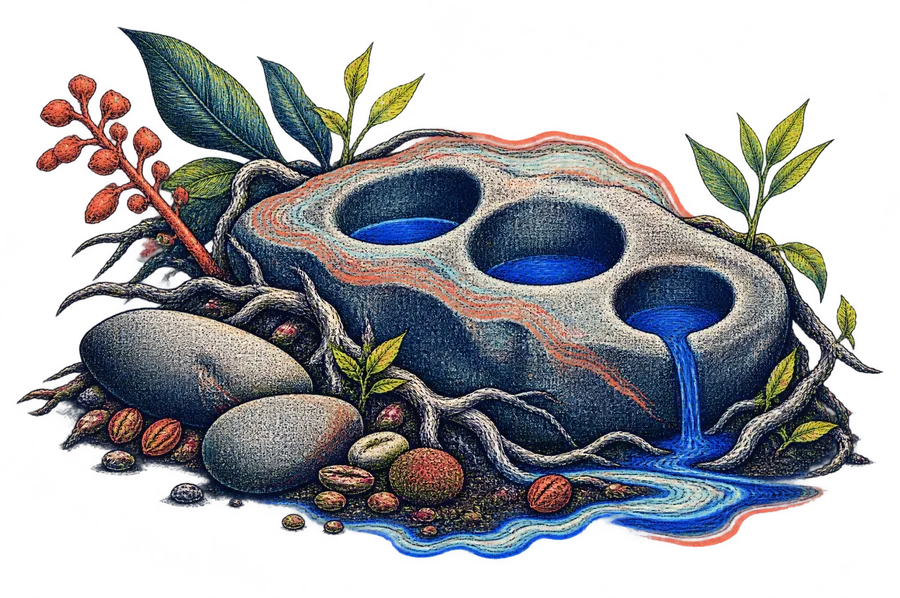
A weathered stone with three cup-like hollows holds cobalt water among roots, seeds and polishing stones.
1648

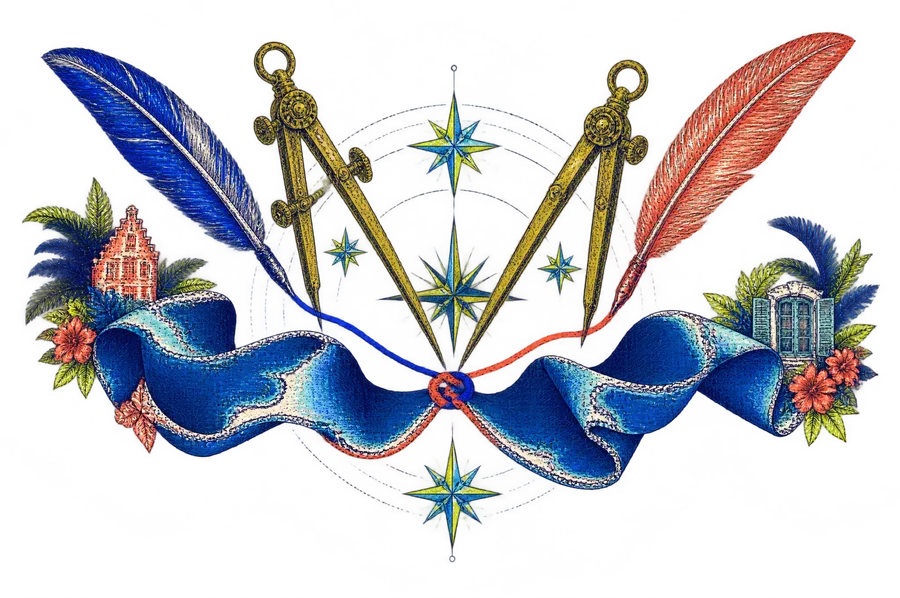
A shared island, contested powers.

French and Dutch colonial powers divided the island. This did not end conflict or create a simple, uninterrupted peace; control changed again during later struggles.

Read further: Government of Sint Maarten · Cultural policy history

Two dividers and opposing quills frame one connected blue ribbon and distinct architectural details.
1848 / 1863

Emancipation, across an unequal border.

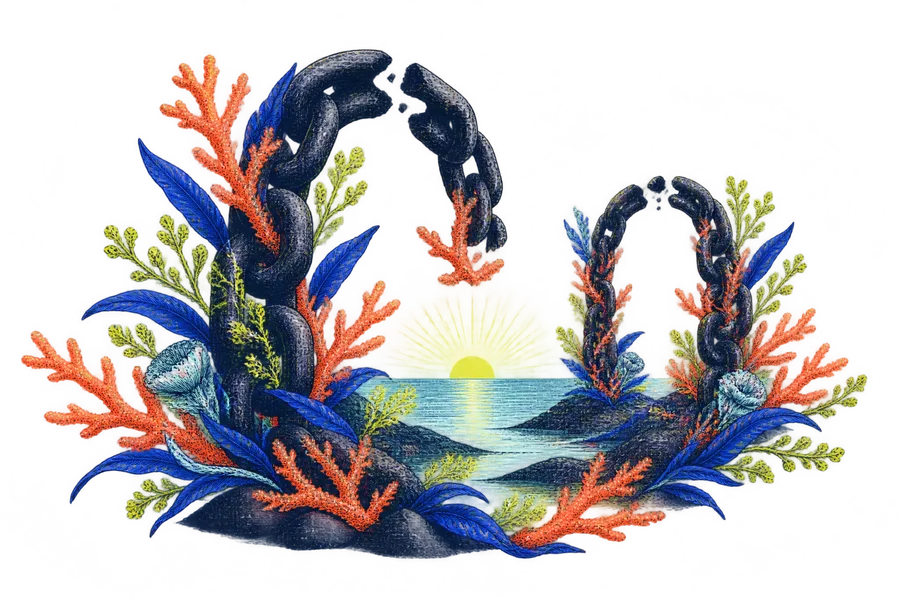
Slavery was abolished on the French side in 1848 and formally on the Dutch side in 1863. Freedom is central to the island’s story, alongside the lives and resistance of enslaved people.

Read further: Government of Sint Maarten · Cultural policy history

Two open broken-link arches shelter resilient plants and a shared rising horizon.
Into the 1950s

Salt, labor and living memory.

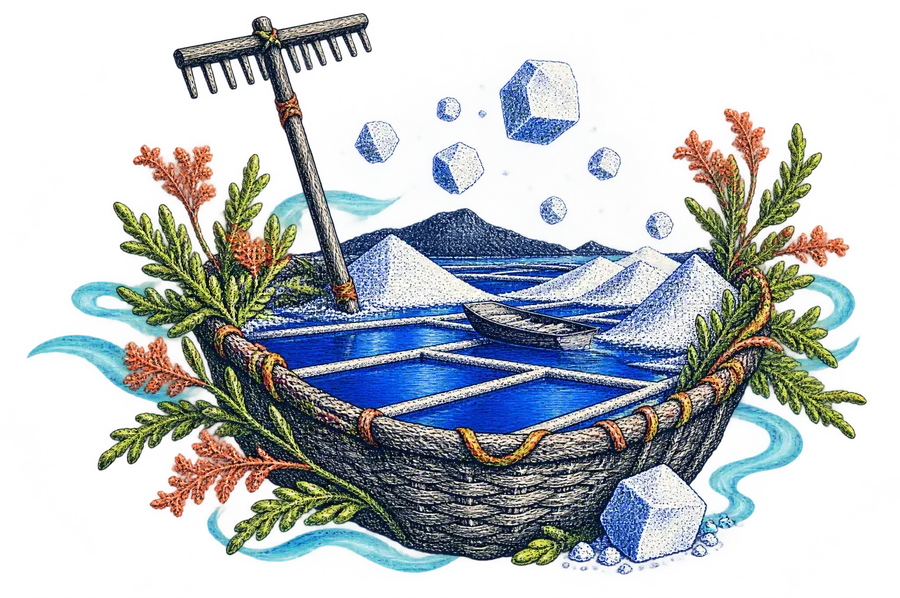
The Orient Bay salt pond remained a working landscape into the late 1950s. Oral histories, including Elise Hyman’s account, preserve the human experience behind the industry.

Read further: Amuseum Naturalis · Elise’s Salt Story

A woven work basket holds miniature salt ponds, a rake, boat and floating salt crystals.
HISTORY LIVES IN PEOPLE, TOO

Keep listening.

Salt, work & living memory ↗

This introductory timeline offers starting points, not a complete account. Indigenous life, enslavement, resistance, migration and everyday work deserve sustained attention. Follow the sources, visit heritage organizations, and make room for the people who preserve the island's stories.